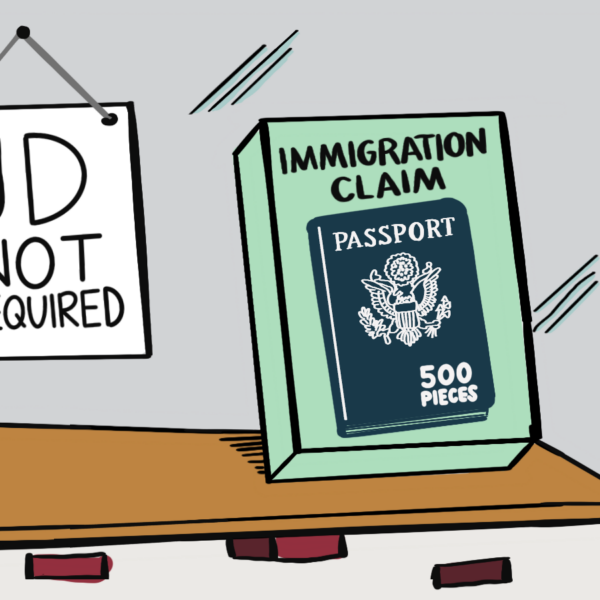
Non-Lawyer Services

Cartoon depicting ants triaging wounded ants while a judge dictates how medical cases will be prioritized

“Lawyers for Everyone!”: What Could Go Wrong?

Applying Gideon—the criminal right to counsel—to civil cases seems like a logical step in attaining better access to justice for everyone. So why are three heavy hitters in the access to justice space speaking out against the push for civil Gideon? The reason has to do with expansion and dilution of a limited resource.
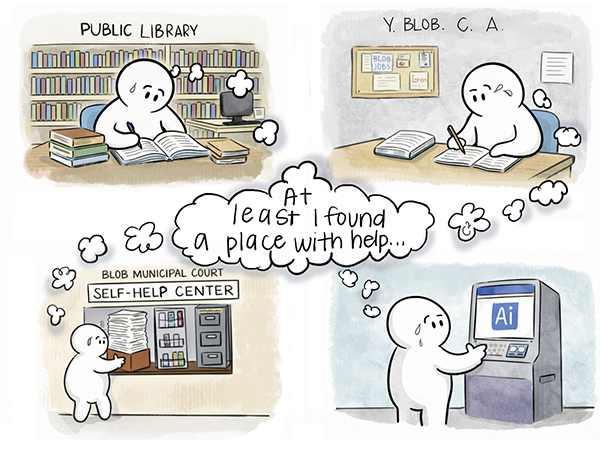
Cartoon depicting Blob accessing AI legal help from various publicly accessible locations--library, municipal court self-help center, community centers, and 'AI terminals'.

Distribution, Not Just Design: Rethinking Access to AI Legal Help

To make AI legal help truly accessible requires less focus on the AI tools themselves and more focus on the distribution channels where people will use them. Libraries, court self-help centers, community institutions, and kiosks all bring accessibility-related challenges from privacy, workflow support, and overreliance. This “Student Voices” post argues for AI literacy support, as well as improved policy standards and more funding, to help those who need legal AI help the most.

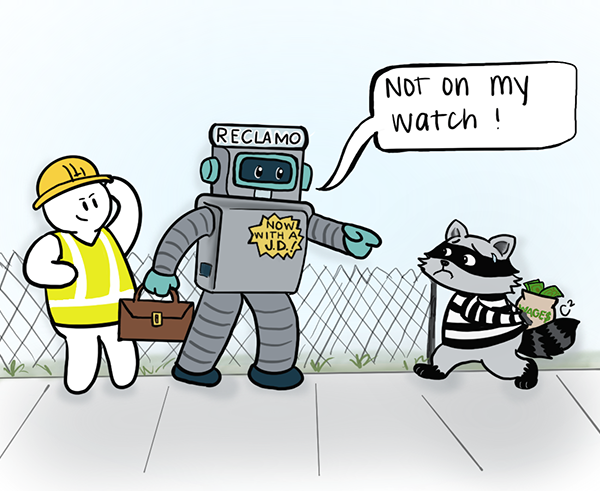
Cartoon depicting a Reclamo robot protecting a worker from a robber stealing worker wages

AI: Defender of Wage Theft Victims (and Access to Justice)

Can AI be the superhero in wage recovery efforts? This “Student Voices” post illustrates the widespread wage theft problem in the U.S. juxtaposed with equally widespread indifference on the part of law enforcement, federal government, and other stakeholders.
The gap leaves room for technology and AI tools to be part of the triage picture.

Cartoon depicting the bar as autos being allowed through an intersection in which a truck labeled as an auto club must stop.

Collision Course: How the Bar Drove Auto Clubs Out of Court

A Depression-era legal battle between the bar association and auto clubs like AAA pitted the financial interests of lawyers against those of consumers. When the bar won, it not only set forth a future of legal reform controlled by courts rather than lawmakers, it also laid the groundwork for a hundred years of access-to-justice issues that continue to plague the legal profession.

Scroll to Top