Predisposition Criminal Process

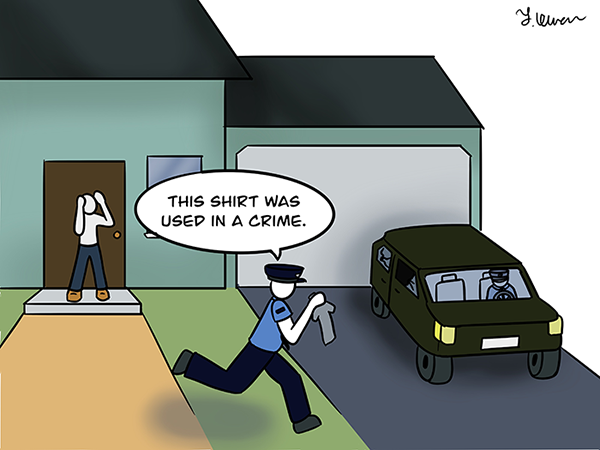
Cartoon depicting a police officer taking the shirt off of an individual's back and declaring that it was used in a crime.

Civil Forfeiture’s Access to Justice Problem

File this one under “historic laws in need of modernizing.” Civil forfeiture—the act of seizing and forfeiting physical property, regardless of whether an individual has been charged with a crime — has its roots in customs and piracy cases. But today, in addition to serving as a tool to pad police department’s budgets, it more often keeps cars, cash, and possessions out of the hands of potentially innocent individuals with no guarantee of legal representation. The result is an access to justice failure, as reported by HLS student Joe Liberman in this week’s “Student Voices” blog and podcast episode.
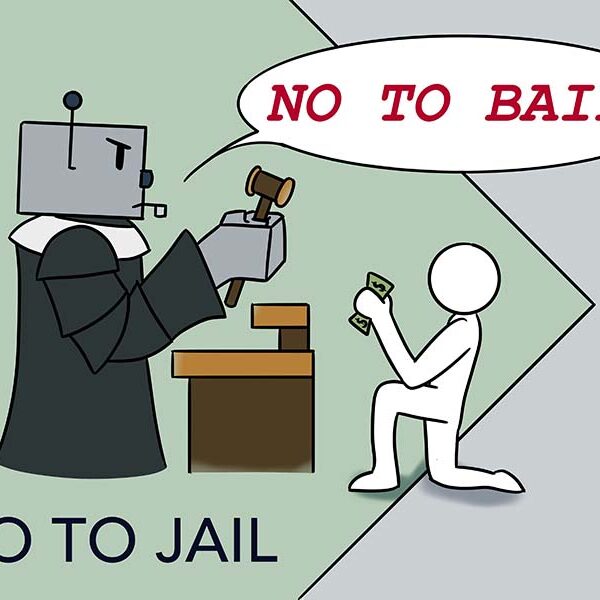
Cartoon depicts individual begging for cash bail to a robot judge who is refusing it

The ‘Robopocalypse’ Fallacy: Lessons from California on Ending Cash Bail

“Replacing cash bail: Fairer justice or robopocalypse?” This headline from a 2020 California news article encapsulates the rhetoric at the time surrounding Proposition 25, a California referendum to eliminate cash bail and provide judges making pretrial release decisions with a risk assessment instrument.

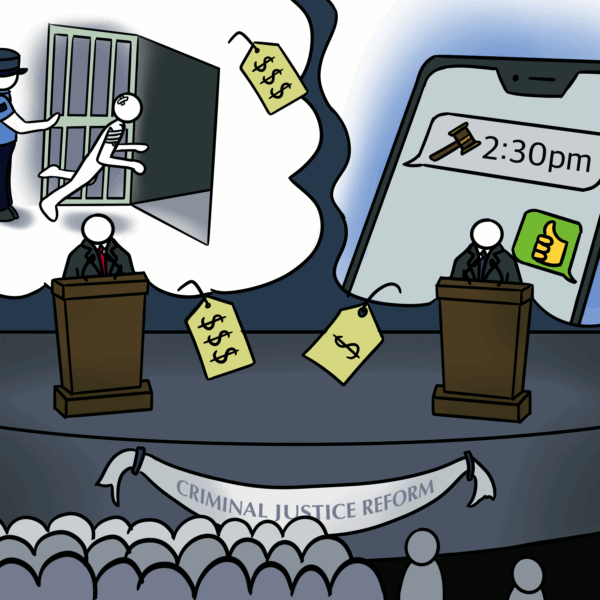
The association of ending cash bail with algorithmic decision-making embodies a complexity that members of the bail reform movement everywhere can examine in future efforts to bring greater access to justice for pretrial detainees.

Does Pretrial Detention Prevent Failure to Appear and New Criminal Activity?

The U.S. has embraced a ‘tough on crime’ narrative since the 1980s, and it’s reflected in the tripling of the nation’s jail population since that time. Most of the increase in jail population growth, however, is due to those detained pretrial. The courts explain this as a necessity to deterring failure to appear and new criminal activity by the individual. The data offers a different argument.

Cartoon depicting a defendant getting lower bail because of the presence of a lawyer

When Defendants get Counsel at First Appearance…

An individual’s First Appearance before a court in a criminal case has significant impacts on the defendant’s freedom and the costs that a criminal trial can bear on the defendant’s life, before it even begins. However, many states still begin the trial process without an offer of counsel. But what happens if defendants DO have counsel at First Appearances? 

Scroll to Top