Proof Over Precedent

Proof Over Precedent is a weekly podcast discussing the work of bringing credible evidence to lawyers, judges, and decision makers, to transform the U.S. justice system into an evidence-based field. Listeners will learn from one-on-one interviews with experts in the area of access to justice–researchers, lawyers, professors, law students, data analysts, research participants, and anyone who has an interesting role in this growing area.

Cartoon depicting an outdated mandate requiring a typewriter in order to file for divorce

Episode 25: Legal Labyrinths Reveal Divorce Filing Woes

Why is it so hard logistically to file for divorce when legally some cases are quite simple and uncomplicated? This second divorce study episode of Proof Over Precedent dives into the data behind the hassle factors and shares the surprising results of measuring the pro se accessibility of a court system. Maybe the answer isn’t more lawyers.
Cartoon depicting an outdated mandate requiring a typewriter in order to file for divorce

Episode 24: Till Death—or an Affordable Divorce—Do Us Part

When it comes to obtaining a divorce, pro se litigants face significant obstacles, stemming primarily from financial challenges. Without a lawyer, many are ill equipped to undertake the complex paperwork, waiting periods, and logistical hurdles that come with filing for divorce. This first of two divorce study episodes of Proof Over Precedent introduces the randomized controlled trial the A2J Lab undertook to determine how effective pro bono matching services are in providing access to justice for low-income individuals. 

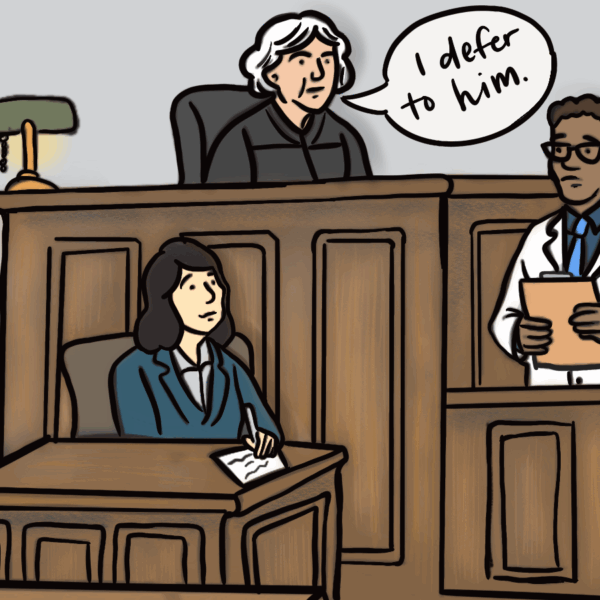
Cartoon depicting a judge deferring to a mental health professional.

Episode 23: Innovative Approaches to Mental Health Hearings

Rogers hearings allow Massachusetts judges to approve treatment plans for involuntarily committed individuals, but the process is criticized for its inefficiency and 99% approval rate. What if procedural reforms could improve outcomes? Replacing district court judges with administrative law judges to oversee hearings and substituting public defenders with mental health professionals as patient advocates could improve outcomes for both the involuntarily committed individuals and the courts—reducing delays, improving patient outcomes, and better utilizing court resources. All we need is an RCT.

Cartoon depicting legal delays for involuntarily committed psychiatric patients with schizophrenia seeking treatment in Massachusetts

Episode 22: Exploring Involuntary Commitment and Legal Reforms

In this “Student Voices” episode of Proof Over Precedent, HLS student Aarushi Solanki discusses involuntary commitment laws for psychiatric patients in Massachusetts, where the process of holding separate commitment and treatment hearings winds up denying patients access to timely treatment.

Cartoon depicting a defendant getting lower bail because of the presence of a lawyer

Episode 21: What is the Impact of Legal Counsel at First Hearings?

Can the presence of legal counsel at a criminal justice defendant’s first court hearing transform their journey through the justice system? Two Texas counties examined this possibility in a now-completed A2J Lab study. Project researchers discuss the results in this Proof Over Precedent episode.

Cartoon depicting website navigation as searching for a needle in a haystack

Episode 20: Caught in the Web — Government Websites and Accessibility

Access to justice via government websites should mean ease of digital access to information. In this Student Voices episode of Proof Over Precedent, J.D. candidate Spencer Thieme argues for simple and inexpensive upgrades to state and federal government websites to improve accessibility for the nonlawyers and non-government workers.

Cartoon depicting the challenge of bringing access to pretrial justice in Africa

Episode 19: How to Grow from a Global Study Setback

Early this year, the A2J Lab was expanding globally for the first time, bringing its mission to study access to justice to both Kenya and Tunisia when a federal stop work order abruptly shut down the project. In this episode of Proof Over Precedent, we have no study results to report about the project that intended to look at whether prompt access to quality representation affects legal and social outcomes for defendants in misdemeanors in the two African nations. Instead, we offer a discussion on the Lab’s first global project, the intentions of the study and its progress through January this year, and the lessons learned from both an international project and the discontinuation of the study.

Cartoon depicting the confusion and difficulties of filing for no-money-down bankruptcy

Episode 18: No Money Down Bankruptcy, Part II — Navigating Possible Solutions

More bankruptcy cases were filed in 2024 than all other civil cases in federal court combined – a factor that should make access to the bankruptcy filing process a priority in the U.S., HLS student Joe Liberman argues in this Student Voices podcast. Part II of this series discusses potential reforms, including changing attorney fee structures, simplifying the bankruptcy process, and making information about legal representation more accessible.

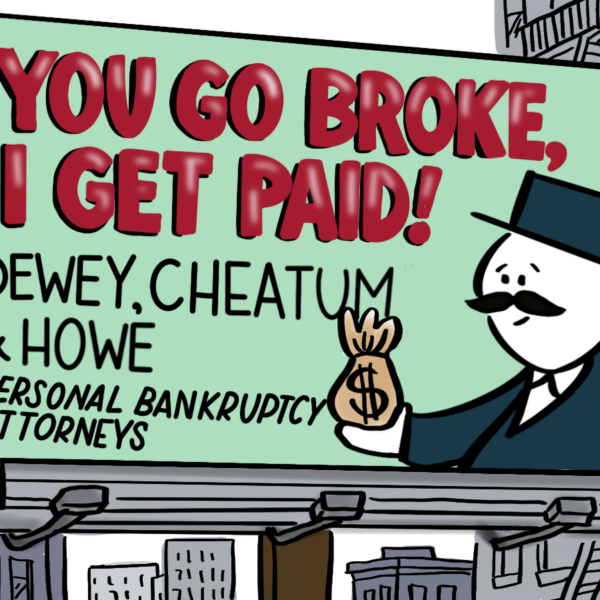
Cartoon depicting how "no money down" bankruptcies are hurting filers

Episode 17: The Inaccessibility of a Financial Fresh Start

Is the financial reset system too difficult to navigate? In this “Student Voices” episode of Proof Over Precedent, HLS J.D. candidate Joe Liberman discusses the complexities and accessibility issues associated with “no-money-down” bankruptcy filings that often hurt the people who can least afford these particular filings.

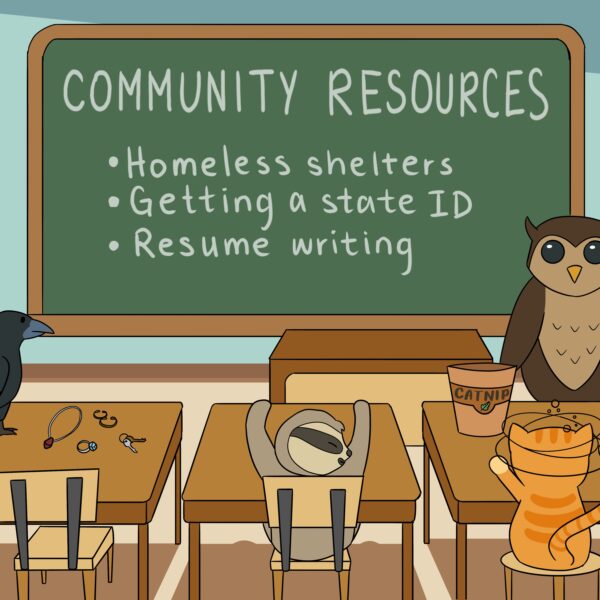
Cartoon depicting an owl teaching life skills to some repeat offenders of the animal world

Episode 16: Can Community Diversion Program Help Repeat Offenders Rehabilitate?

A recently launched A2J Lab study examines the effectiveness of an education and community resource-focused program at reducing recidivism among low-level offenders. The results could determine whether the program, already in practice for seven years in Toledo, OH, could be an affordable blueprint for other municipal court systems.

Scroll to Top