A2J Lab Projects

Cartoon depicting the aftermath of an expungement party in which the individual does not feel better after obtaining an expungement order

The Expungement Experiment: Housing and Happiness Outcomes

In this third post about the Final Stage Reentry Project, we focus on the impact expungement has on housing and on identity and overall life satisfaction. Despite our hypothesis that a clear record would clear the way for housing and happiness, expungement once again had no impact. We dig into these results and the potential reasons for the findings.

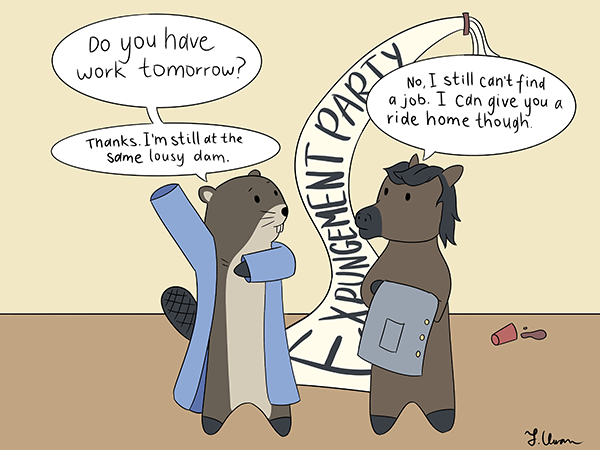
Cartoon depicting two individuals at an expungement party discussing how one can't find a job and the other is dissatisfied at the same job.

The Expungement Experiment: Impact on Employment

Criminal record clearing may help individuals attain jobs, housing, and life satisfaction, according to many criminal justice system reformers. This week, we look at the A2J Lab’s long-running expungement study and the impact of record clearing on employment–a reason 84 percent of our study participants cited for wanting an expungement. The results surprised researchers and clarified policy needs for effective expungement outcomes.

Cartoon depicting an "expungement party" with a blindfolded donkey playing "pin the expungement", showing the challenges associated with obtaining an expungement

The Expungement Experiment: Effectiveness of Legal Aid 

Would-be criminal justice system reformers have long believed that a criminal record inhibits the search for secure employment, housing, and life happiness, and those problems in turn lead to increased recidivism. For reformers, the answer to these challenges has been some kind of criminal justice record clearing. But that theory has only some evidence to support it. In this first of three posts, the A2J Lab dives into its long-running randomized controlled trial in Kansas studying expungement’s impact on reentry outcomes.

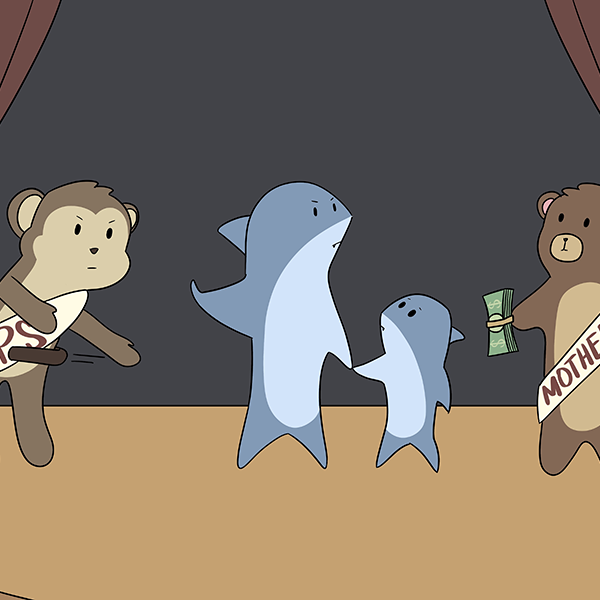
Cartoon depicting a mother and child on a stage between a bear representing Mother Up and holding cash out to them and a monkey representing Child Protection Services and being pulled off the stage.

Turning Proof into Policy: Evidence for Guaranteed Income to Support Black Mothers

The Mother Up project has grown from a small six-person study to the expanded and currently enrolling Phase III study now underway. Throughout, Mother’s Outreach Network has been building evidence to show that financial support, in addition to a network of social and legal help, can help Black mothers avoid entanglement with child welfare agencies. The leader of the organization offers her vision on the project and reaction to the results so far.

Cartoon depicting Mothers Outreach Network (as a bear) giving money to a mother and child (drawn as horses) to buy (horse) shoes.

Testing the Poverty-Child Welfare Connection: Pre-Pilot Study Explores Guaranteed Income

The “Mother Up” pre-pilot program is an evaluation of a guaranteed income project targeting Black mothers in Washington, DC, who are in danger of getting involved with the child welfare system. Studying the efficacy of the program provided the A2J Lab with enough solid data to pursue it on a larger scale and bring an evidence-based voice to the discussion on poverty’s link to child welfare.

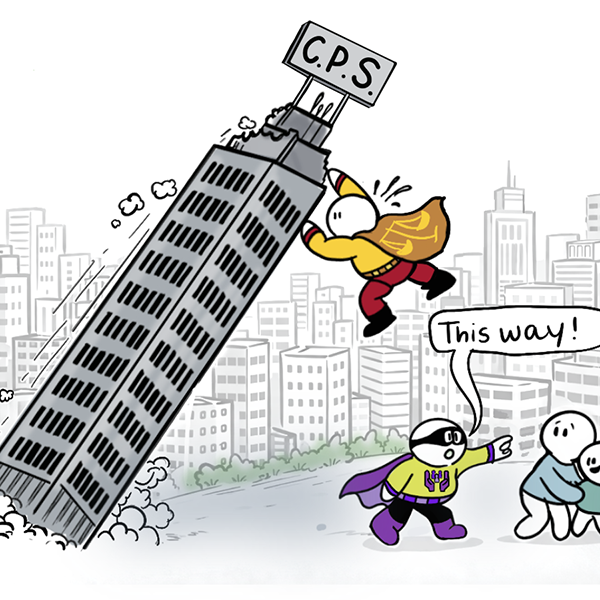
Cartoon depicts Child Protection Services as a falling building, with law and medical support helping to save a family

Inside CHAMPS’ Evidence-Based Holistic Approach to Child Advocacy

This is the story of a traditional law school clinic that has evolved into much more. CHAMPS, the Carolina Health Advocacy Medical–Legal Partnership, is a legal service provider embedded in a healthcare setting. It’s also the field partner for an A2J Lab study evaluating whether legal partnerships can reduce downstream involvement by child welfare agencies in cases potentially due to poverty-related conditions.

graphic of hands with symbols of necessities

Mother Up Study Links Child Neglect, Poverty, and Guaranteed Income

The Access to Justice Lab published a newly released study of Washington, D.C. mothers involved in Child Protective Services demonstrating that government-funded child welfare programs are effective in reducing child neglect cases by prioritizing economic support to overcome conditions caused by poverty.

Cartoon depicting a defendant getting lower bail because of the presence of a lawyer

When Defendants get Counsel at First Appearance…

An individual’s First Appearance before a court in a criminal case has significant impacts on the defendant’s freedom and the costs that a criminal trial can bear on the defendant’s life, before it even begins. However, many states still begin the trial process without an offer of counsel. But what happens if defendants DO have counsel at First Appearances? 

Cartoon depicting the challenge of bringing access to pretrial justice in Africa

Denied: Global Right to Counsel Study 

Despite a right to counsel in both Kenya and Tunisia, the default for low- and middle-income individuals who cannot afford to pay for legal representation is no counsel at all. The A2J Lab began a project to study the effects of early access to counsel for misdemeanors in the two countries but was thwarted in January by a federal stop work order. What follows is an update on the project itself and the educational moment it provided.

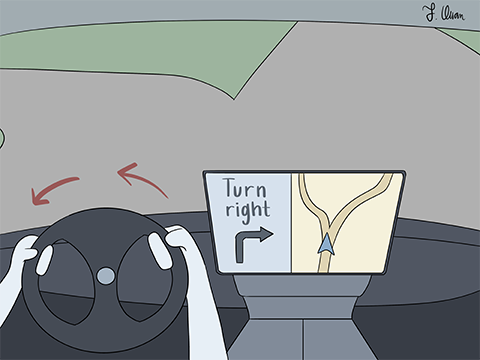
Cartoon depicting an owl teaching life skills to some repeat offenders of the animal world

Education and Community Support: Key to Avoiding Repeat Arrests?

A typical cycle for someone caught in the U.S. criminal justice system due to poverty-related issues may look something like this: Risky behavior on the individual’s part leading to arrest for a low-level crime such as shoplifting, followed by court-appointed community service. Repeat. An A2J Lab study aims to find out whether a community diversion program offers a better chance of breaking this cycle than community service programs.

Scroll to Top