Socio-Economic Outcomes

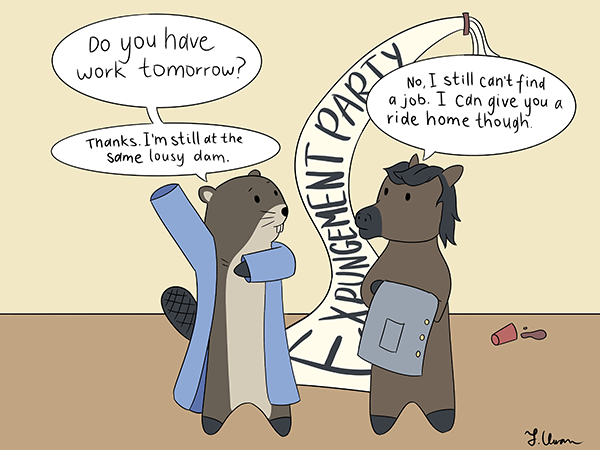
Cartoon depicting an "expungement party" with a blindfolded donkey playing "pin the expungement", showing the challenges associated with obtaining an expungement

Expungement in Michigan: Between Promise and Outcomes

A landmark study on Michigan’s expungement system found that criminal record clearing was linked to low recidivism rates, no compromise to public safety, and better outcomes for the recipients. But what does it say about the process when those promising results are not enough to entice eligible individuals?

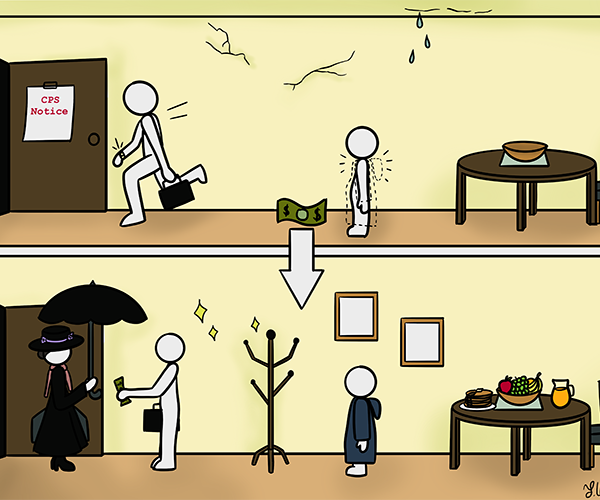
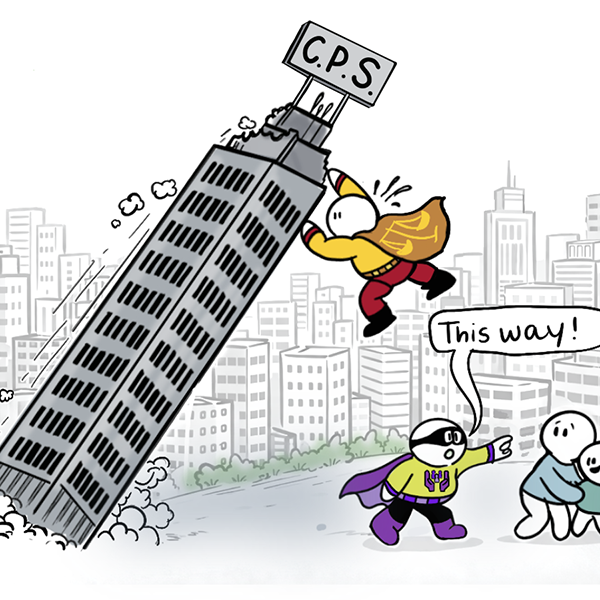
Cartoon depicting a child welfare agent entering a home, without a judge's order, in the name of children's safety

Family Miranda: Expanding Due Process Rights to Child Welfare Investigations

Texas’s 2023 “Family Miranda” law requires child welfare investigators to inform parents of their due process rights at the beginning of an investigation. The intent is to reduce unnecessary state intervention, trauma, and coercion. The law passed with bipartisan support and ultimately clarifies existing law, rather than creates new law. In this “Student Voices” blog, HLS student Julia Saltzman calls for a randomized controlled trial to determine the efficacy of the law in improving fairness and reducing unnecessary interventions.

Cartoon depicting an outdated mandate requiring a typewriter in order to file for divorce

Unveiling the Complexity: Divorce and Access to Justice

Marriage in the U.S. typically requires a marriage license, payment of a nominal fee, and often a short waiting period from the license signing to marriage. Divorce, on the other hand, typically involves lawyers; courthouse visits; comparatively higher fees; and, in some cases, antiquated roadblocks just to implement this federal constitutional right. The result is that divorce can be an access-to-justice issue for low-income individuals who are faced with trying to pay for a lawyer they cannot afford or navigate unnecessarily complex divorce filing procedures on their own.  

graphic of hands with symbols of necessities

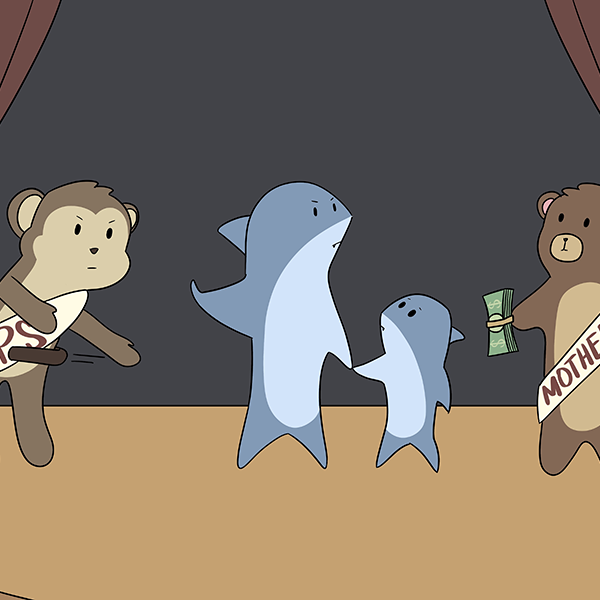
Mother Up Study Links Child Neglect, Poverty, and Guaranteed Income

The Access to Justice Lab published a newly released study of Washington, D.C. mothers involved in Child Protective Services demonstrating that government-funded child welfare programs are effective in reducing child neglect cases by prioritizing economic support to overcome conditions caused by poverty.

Cartoon depicting the confusion and difficulties of filing for no-money-down bankruptcy

What To Do About “No Money Down” Bankruptcies

In the second part of the “Student Voices” series on “no money down” bankruptcies, HLS student Joe Liberman picks up where he left off in the previous blog: exploring possible solutions to the problems of Chapter 13 filings, understanding their tradeoffs, and proposing how we might study them. 

Cartoon depicting how "no money down" bankruptcies are hurting filers

How “No Money Down” Bankruptcies Are Hurting Filers, and What We Can Do About It

The combination of rising debt and inability to pay for legal help has allowed the proliferation of a financially fraught practice: “no money down” bankruptcies. While purporting to help the low income client, these bankruptcies often leave the filer in a worse financial situation because they were ill-suited for Chapter 13 bankruptcy. This post explores the rise of “no money down” bankruptcies and how we can address this access to justice issue.

Cartoon depicting an owl teaching life skills to some repeat offenders of the animal world

Education and Community Support: Key to Avoiding Repeat Arrests?

A typical cycle for someone caught in the U.S. criminal justice system due to poverty-related issues may look something like this: Risky behavior on the individual’s part leading to arrest for a low-level crime such as shoplifting, followed by court-appointed community service. Repeat. An A2J Lab study aims to find out whether a community diversion program offers a better chance of breaking this cycle than community service programs.

Cartoon depicting a lawyer shown as a wolf evicting the Statue of Liberty and replacing her with Uncle Sam

Who Deserves a Lawyer? The Hidden Gender Bias in the Right to Counsel

The landmark court decision in Gideon v. Wainwright from 1963 made it a constitutional right, both in federal and state courts, for criminal defendants to have the right to counsel. That decision does not extend to civil cases– such as child custody, eviction, and domestic violences cases–which affect women, often from marginalized backgrounds, more than than men. HLS student Laura Aquino argues for a study to address the gender bias in denying legal assistance to civil litigants that may play a role in preserving a system that limits access to justice for women.

Cartoon depicting three little pics trying to avoid eviction from the wolf

Legal Literacy: An Upstream Eviction Prevention Strategy

With this housing insecurity having potentially numerous contributing factors, the Access to Justice Lab and research partners at the University of Houston Law Center targeted legal literacy as a potential key to addressing housing evictions in its recently completed pilot study.

Scroll to Top